Buying guide
Best Golf Balls for Different Swing Speeds on Amazon in 2026
A practical shortlist of soft, distance-first, and premium golf balls, organized around launch, feel, spin, and the player fit that matters more than a star average.
- 7picks
- 9.0top score
- 11min read
- Aug 4, 2026updated
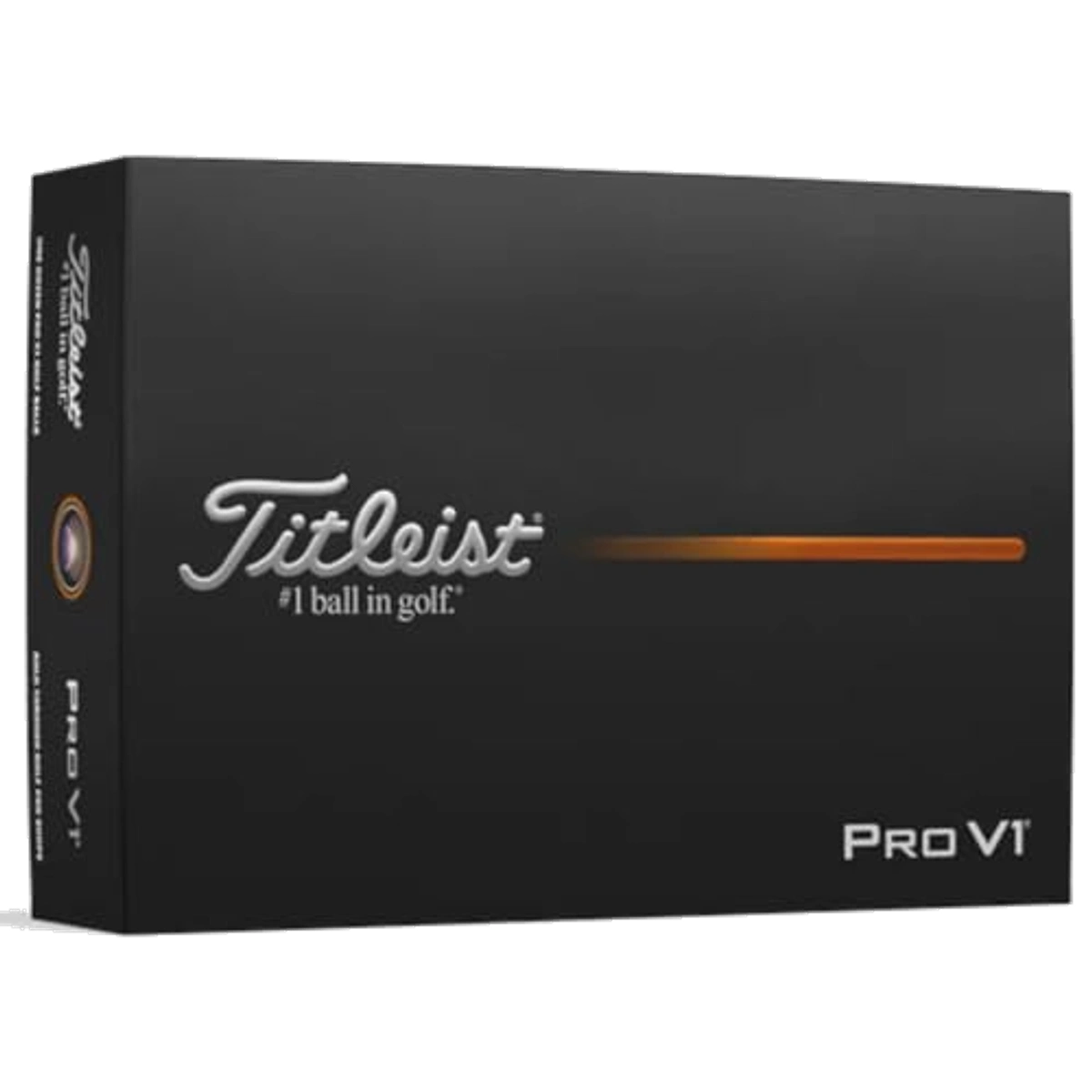 Best premium all-rounder — Titleist Pro V1 Titleist Pro V1 Golf Ball 9.0GolfTested score
 The short answer
Our picks, and who each one is for
Best premium all-rounder — Titleist Pro V19.0score
Titleist Pro V1 Golf Ball
A balanced premium starting point for players who want tee-to-green consistency.
Best for Players who want tour-proven spin separation (low driver, high wedge) and reliable performance without surprises.
Skip if Beginners or high handicaps primarily seeking maximum distance on a budget, or those who prefer very soft feel.
-
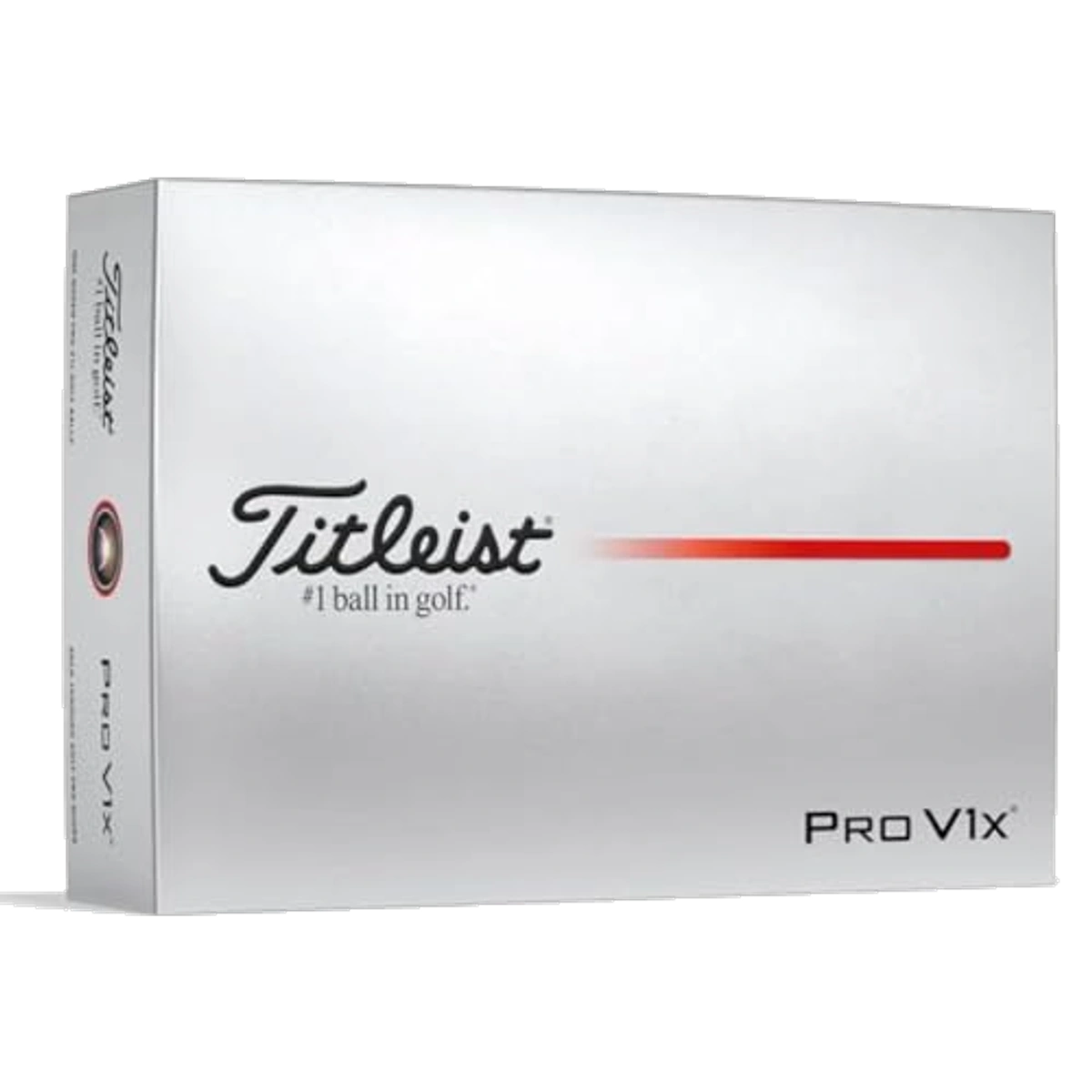
Best higher-flight premium fit — Titleist Pro V1x8.9score
Titleist Pro V1x Golf Ball
A better direction for golfers who need more launch and approach stopping power.
-
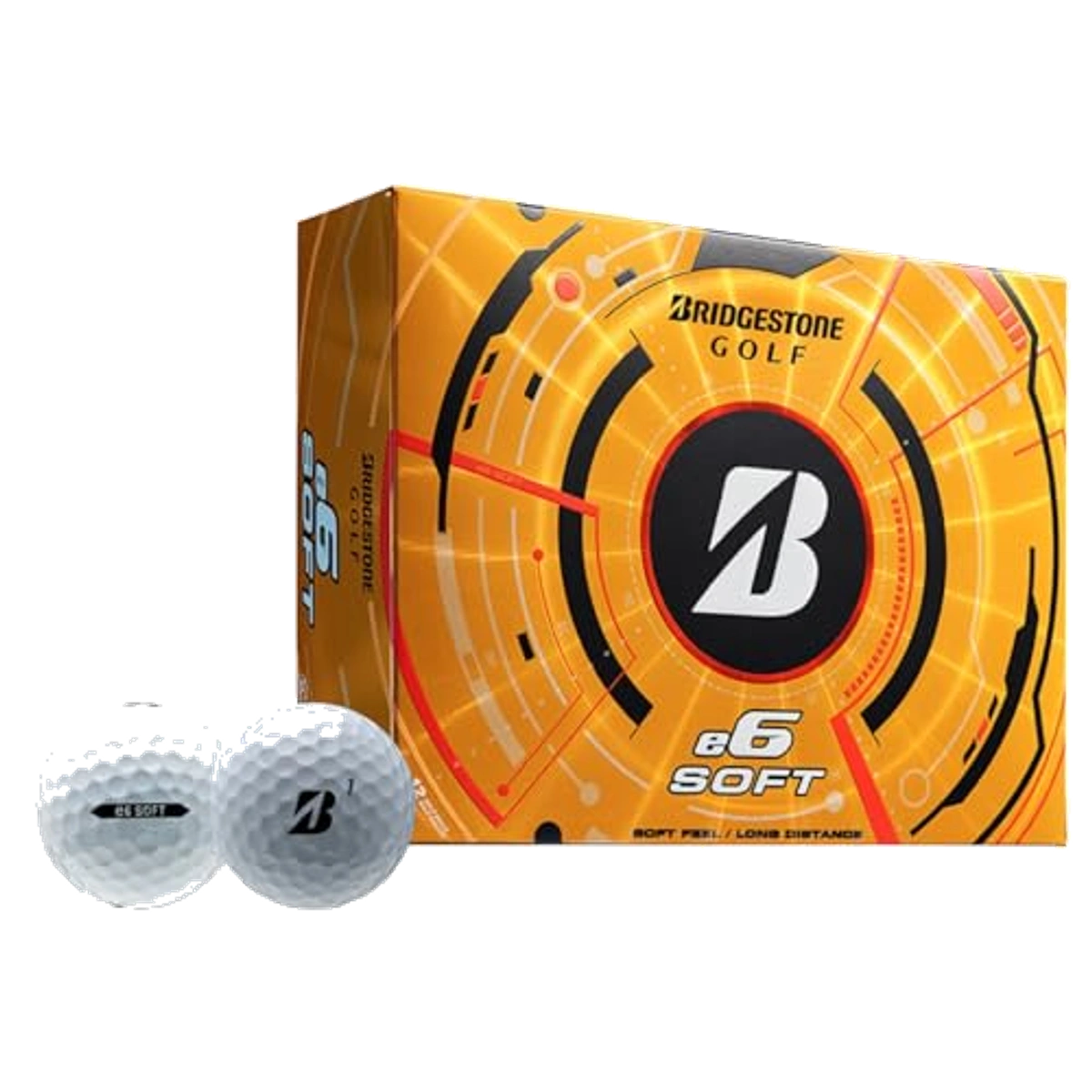
Best soft value ball — Bridgestone e68.7score
Bridgestone e6 Golf Balls
Easy launch and soft feel without tour-ball replacement cost.
-
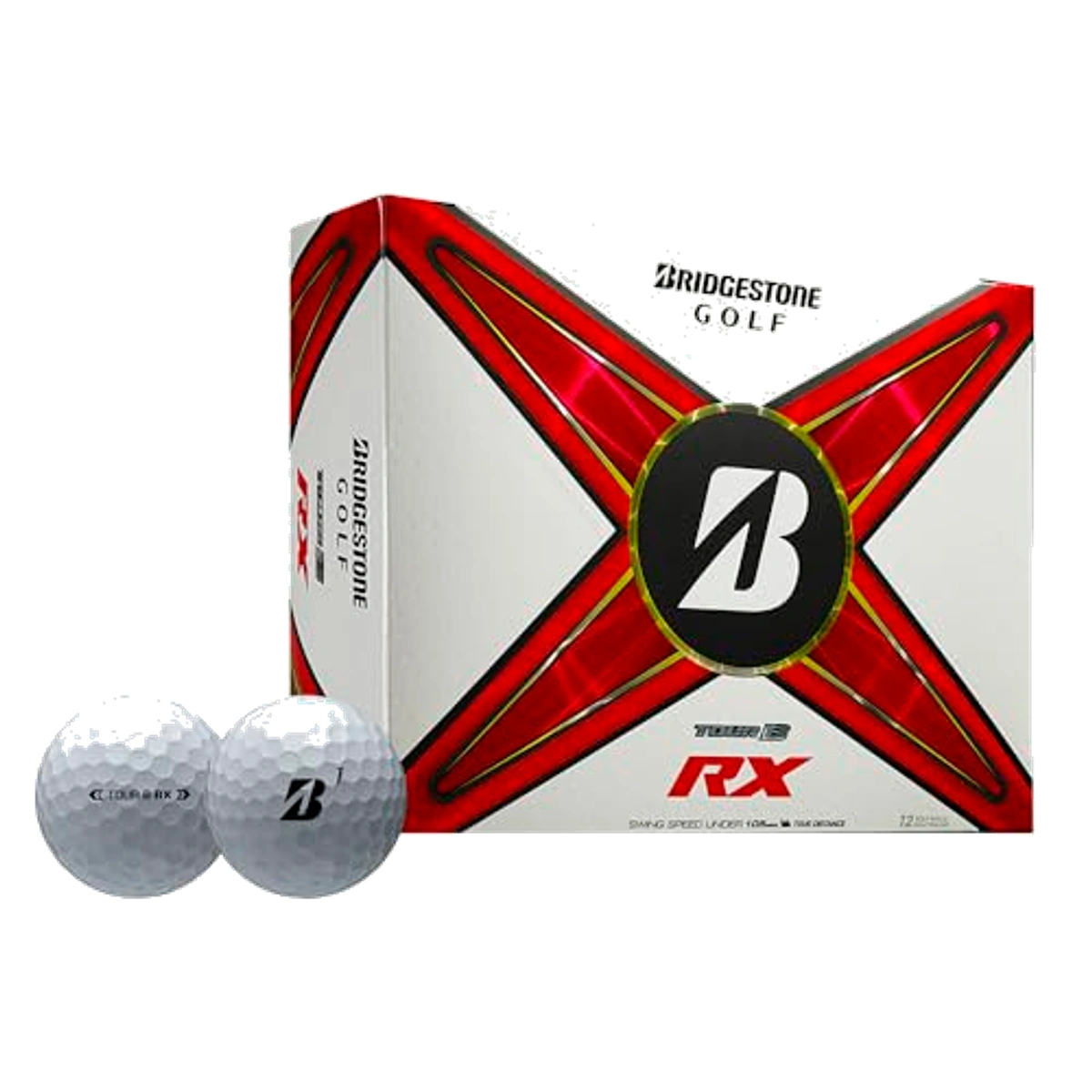
Best premium distance/control fit — Bridgestone Tour B RX8.9score
Bridgestone Tour B RX Golf Balls
For golfers ready to fit a premium ball around their driver speed and approach needs.
-
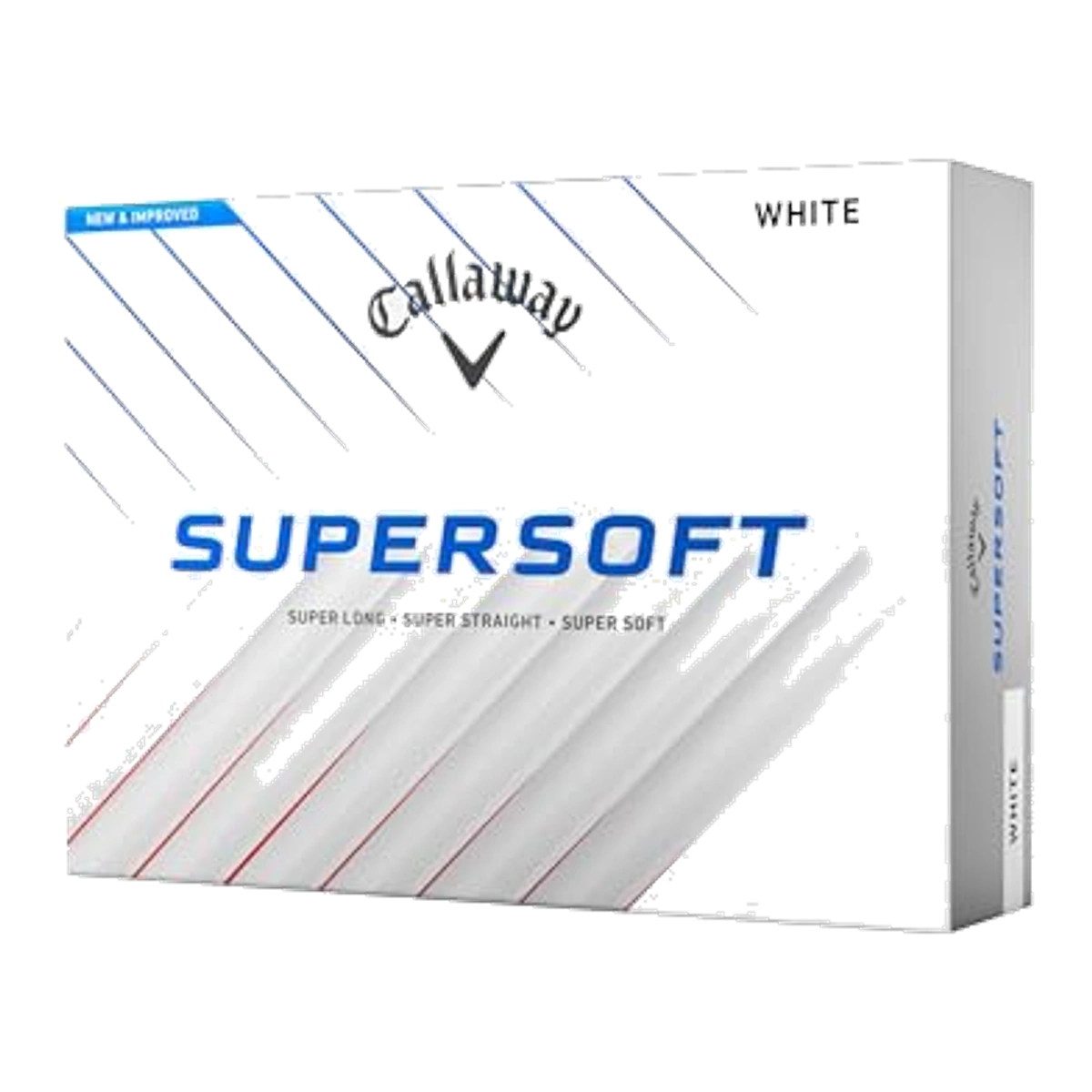
Best easy-launch soft ball — Callaway Supersoft8.5score
Callaway Supersoft Golf Balls (2025)
A friendly everyday option when comfort and value come first.
-
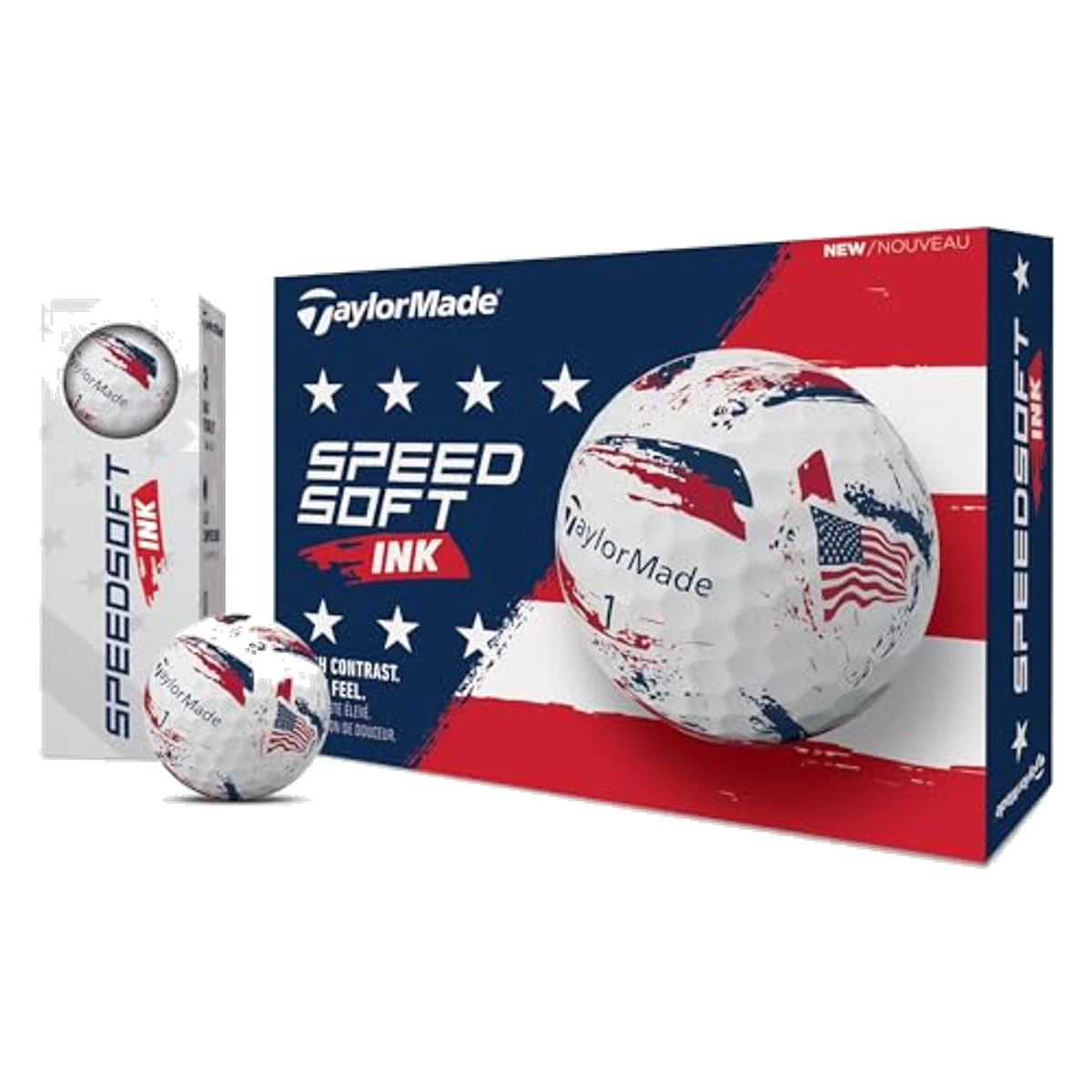
Best soft two-piece alternative — TaylorMade SpeedSoft8.6score
TaylorMade SpeedSoft Golf Balls
A muted feel with useful tee-shot speed for everyday rounds.
-
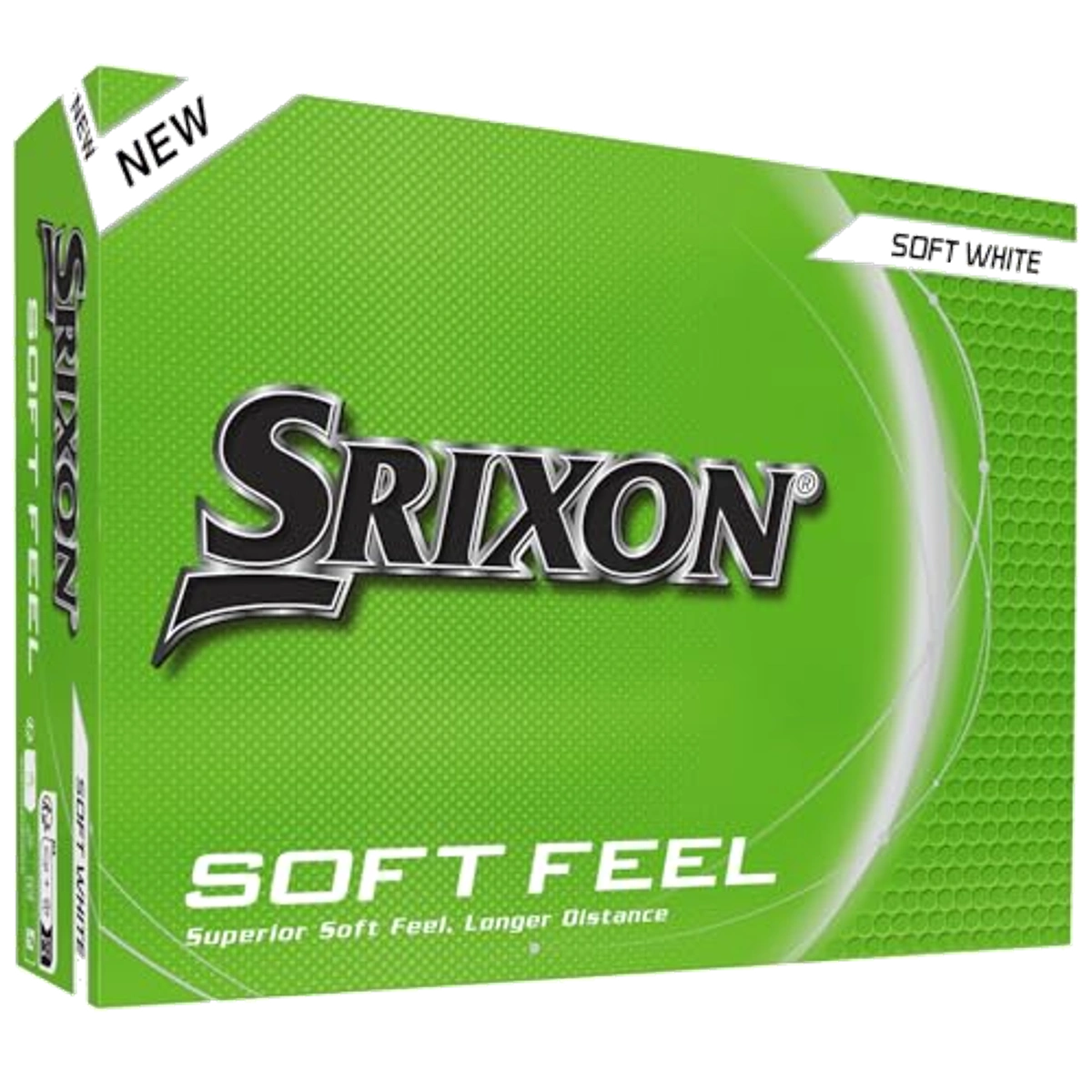
Best simple value ball — Srixon Soft Feel8.5score
Srixon Soft Feel Golf Balls
A calm, affordable choice for golfers who do not need tour-level spin.
Picks are ordered by fit, not by payout. Brand-direct prices show the date we checked them; Amazon prices change too often to print, so those links open the live listing. Buying through a link may earn GolfTested a commission and never changes a score.
These picks are drawn from the reviews already published on GolfTested: manufacturer specifications, independent testing from across the golf equipment world, and long-term owner feedback, scored on one rubric. It is not presented as a GolfTested lab shootout.
The short version
Swing speed is a useful starting point, not a complete ball fitting. Launch, strike quality, delivery, wedge technique, and the amount of spin you actually need all change the answer. A golfer with a moderate driver speed can still prefer a firmer premium ball, and a fast swinger can still choose a soft-feeling model if the flight and short-game numbers make sense.
The picks below are organized by the job the ball is trying to do. That makes the list more useful than pretending one ball is automatically best for every golfer.
Start with the flight you need
Golfers who struggle to launch the ball usually benefit from a design that feels easy to compress and does not create unnecessary driver spin. Bridgestone e6, Callaway Supersoft, TaylorMade SpeedSoft, and Srixon Soft Feel all fit that everyday brief. They are not identical, but they share a willingness to trade some premium short-game complexity for comfort, distance, and replacement value.
If the problem is not launch but holding greens, move toward a urethane premium ball. Titleist Pro V1 and Pro V1x provide a more deliberate tee-to-green fitting conversation. Pro V1x is especially worth comparing when a golfer wants more visible flight and approach stopping power, while Pro V1 is the more neutral all-round starting point.
Where Tour B RX fits
Bridgestone Tour B RX belongs in the “fit it properly” category. Bridgestone positions it for players under 105 mph who want additional distance, with a cover designed to retain control around the green. The product can be an excellent middle ground for a golfer who wants a more premium ball without automatically choosing the highest-compression option.
Do not choose it on that sentence alone. Compare it against your current ball with the same driver, mid-iron, and partial wedge. A good ball should give you a repeatable pattern, not just one impressive shot.
A simple 30-minute ball test
Use one sleeve of each candidate and keep the club, target, and routine consistent. Hit ten drives, five 7-irons, and ten partial wedges. Record launch and carry if you have a launch monitor, but also note start line, rollout, sound, and whether the ball feels predictable when contact is not perfect.
Then ask the most practical question: will you actually keep playing this ball? A ball that performs well but costs too much to replace is not a value pick for a golfer who loses three every round.
Verdict
The best Amazon golf-ball buy is the one that fits the flight you need and survives the way you play. Start with e6, Supersoft, SpeedSoft, or Soft Feel for a soft value baseline. Compare Pro V1, Pro V1x, or Tour B RX when you are ready to trade up for more deliberate spin and control.
Research note: ratings and prices are reference points checked August 4, 2026, and may change. Product claims were cross-checked against manufacturer information and independent testing; every individual review labels whether the evidence is Expert Consensus or GolfTested direct testing.
Frequently asked questions
Does a faster swing always require a premium ball?
No. A faster swing can expose a ball’s spin and durability trade-offs, but the right choice still depends on delivery and the shots you want to improve. Premium construction is useful when you can identify a repeatable benefit.
Should beginners use soft golf balls?
Often, a soft value ball is a reasonable place to start because it is comfortable, easy to launch, and less expensive to replace. The key is to avoid treating “soft” as a promise of more distance for every swing.
How many balls should I test?
Two or three is enough for a first comparison. Keep the test controlled, use the same club and target, and play at least a few holes before making a final decision.